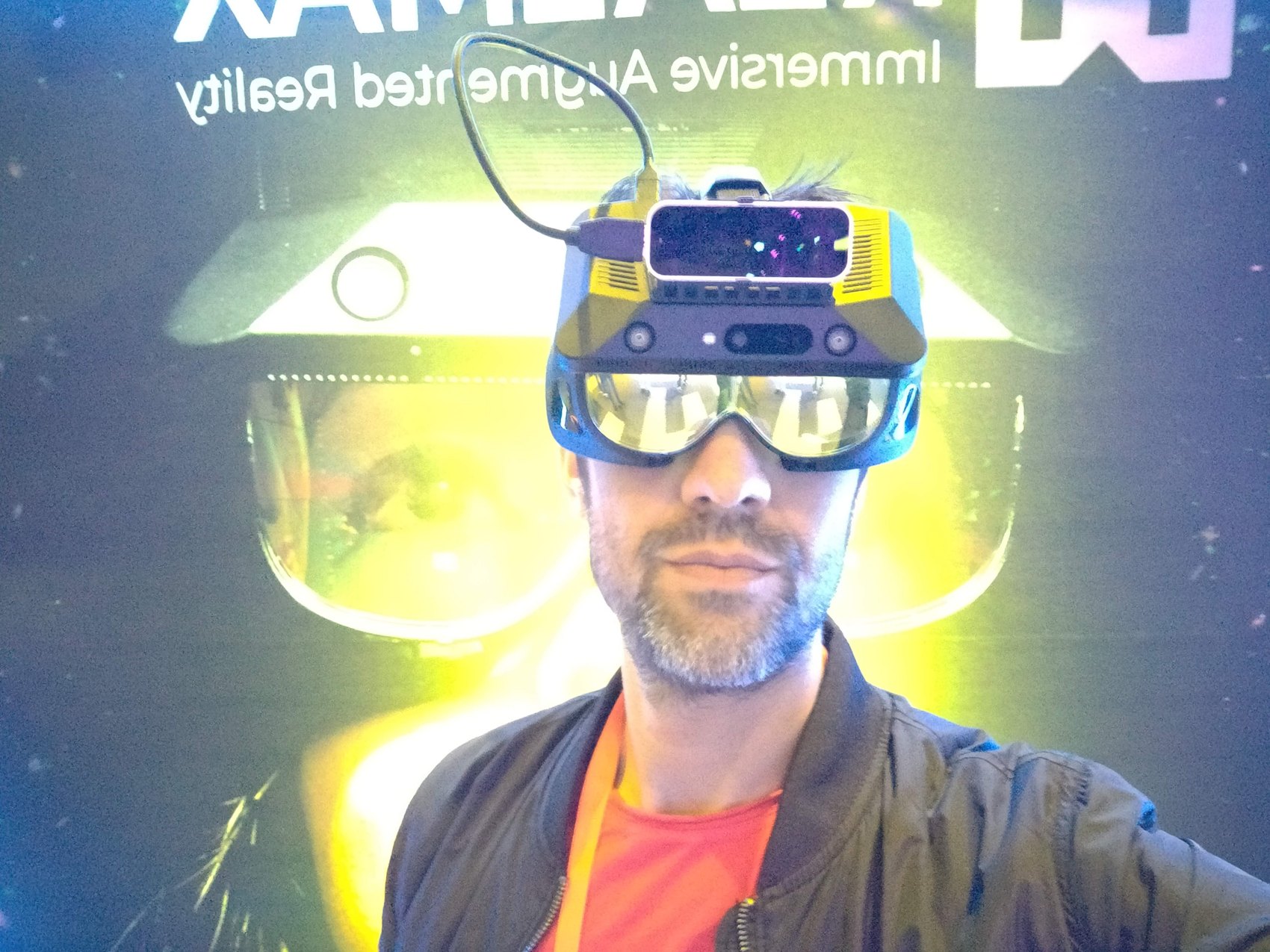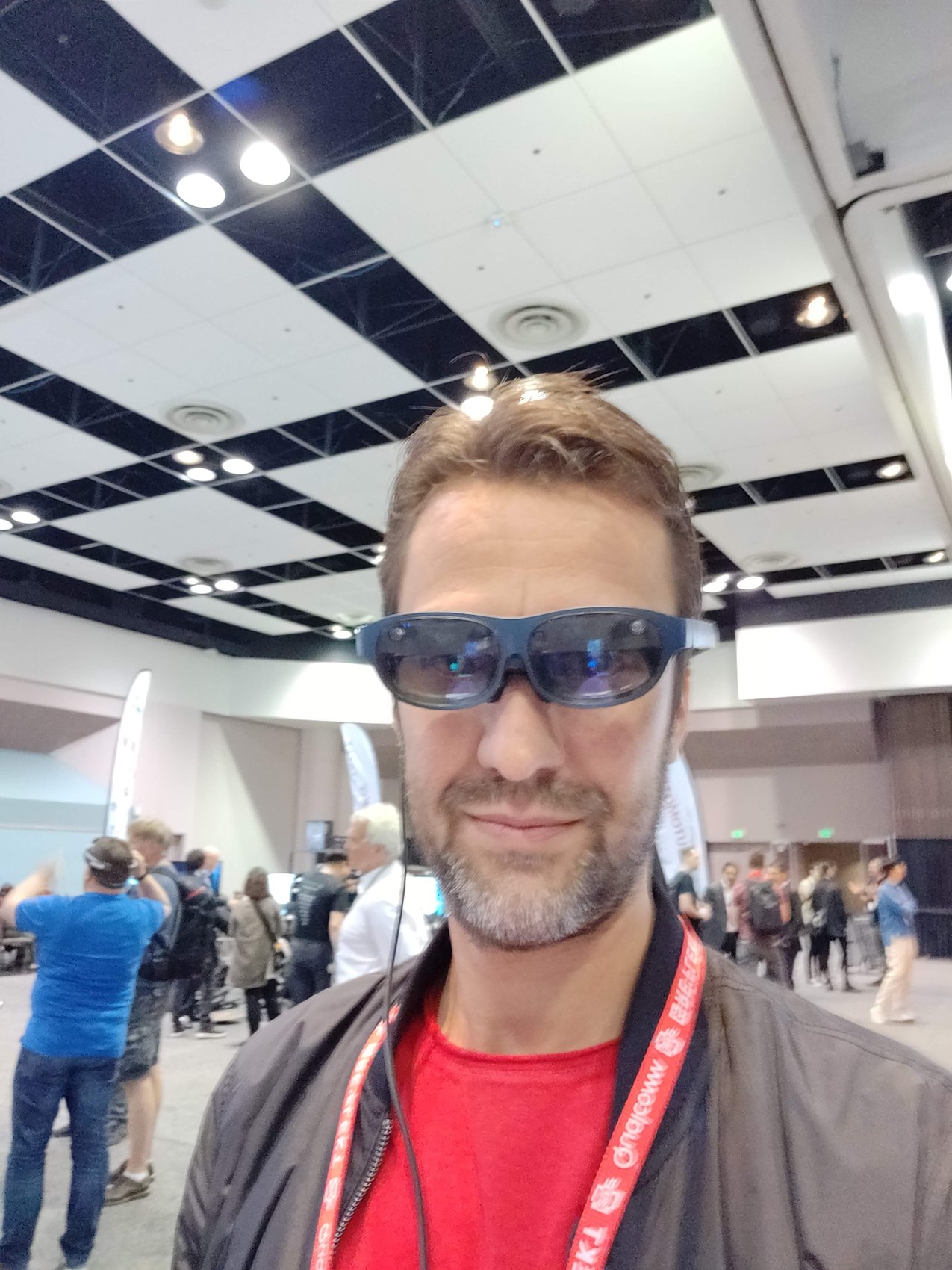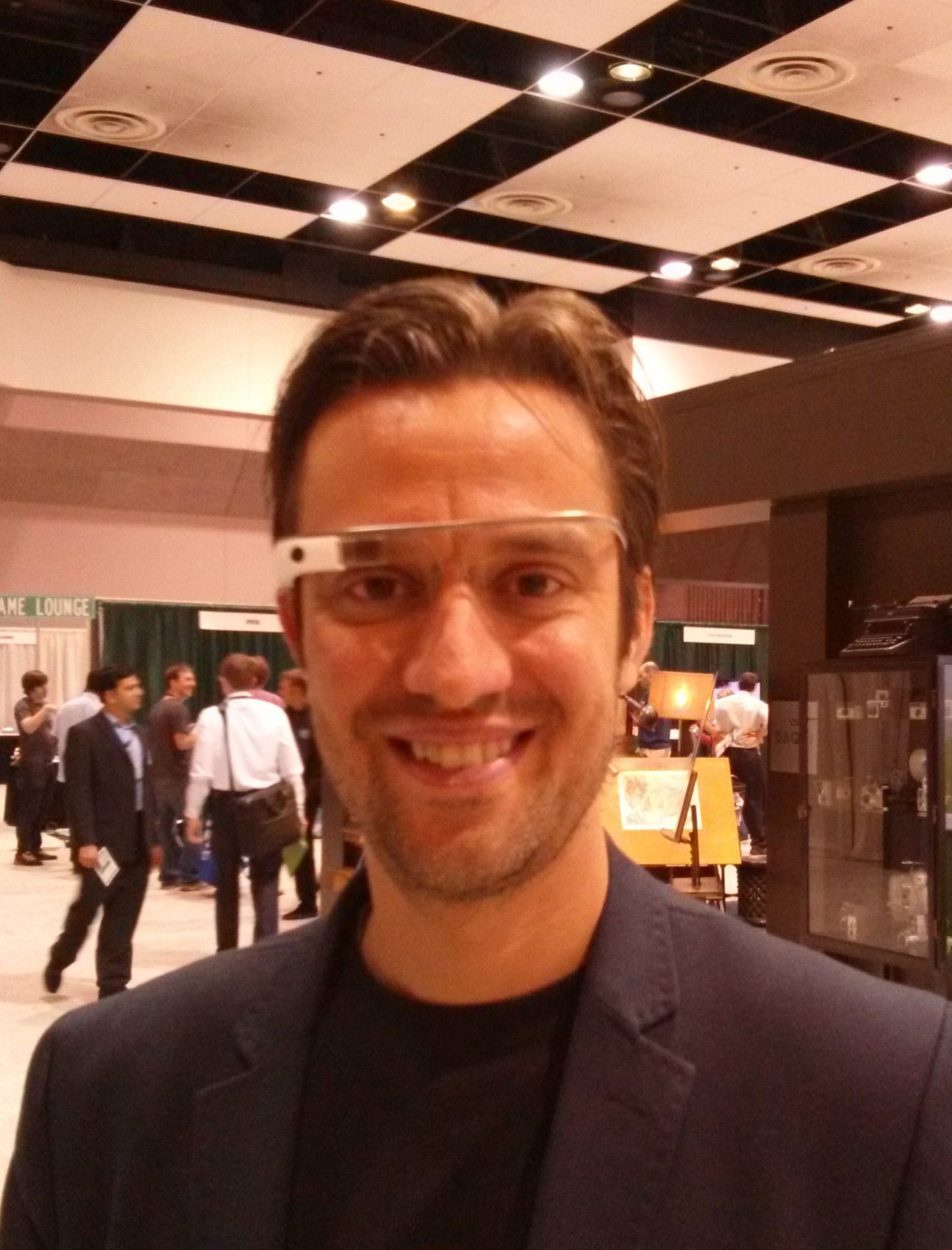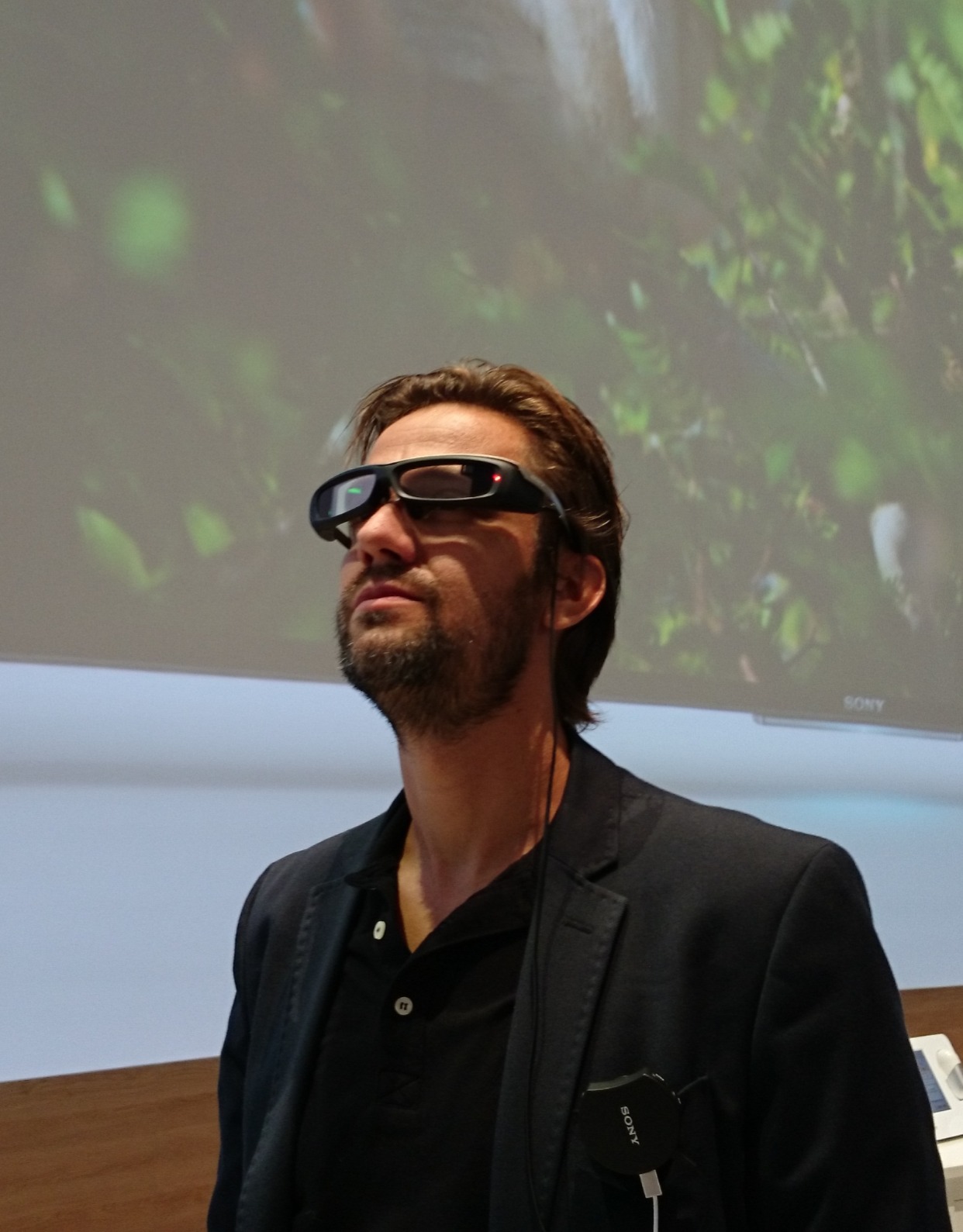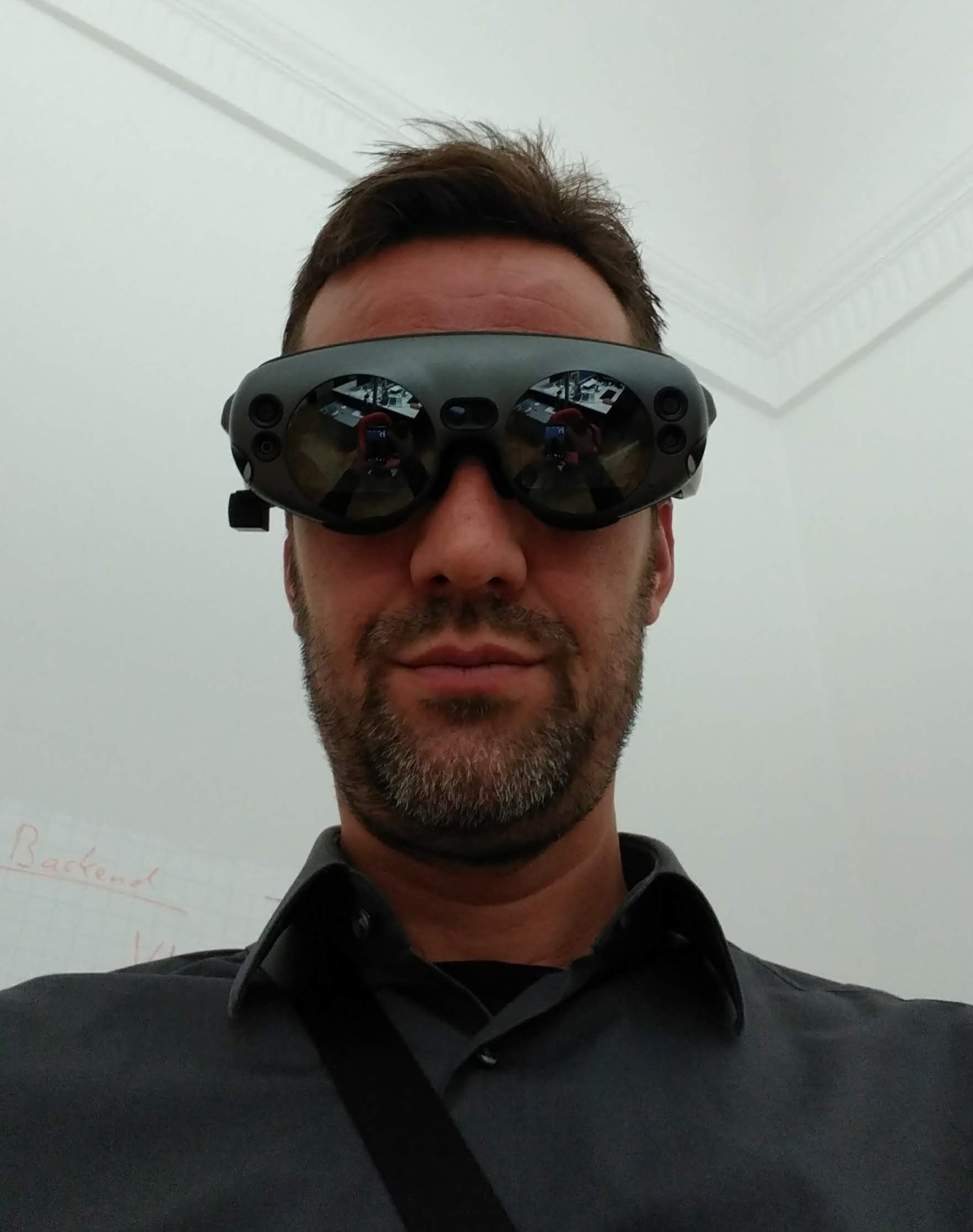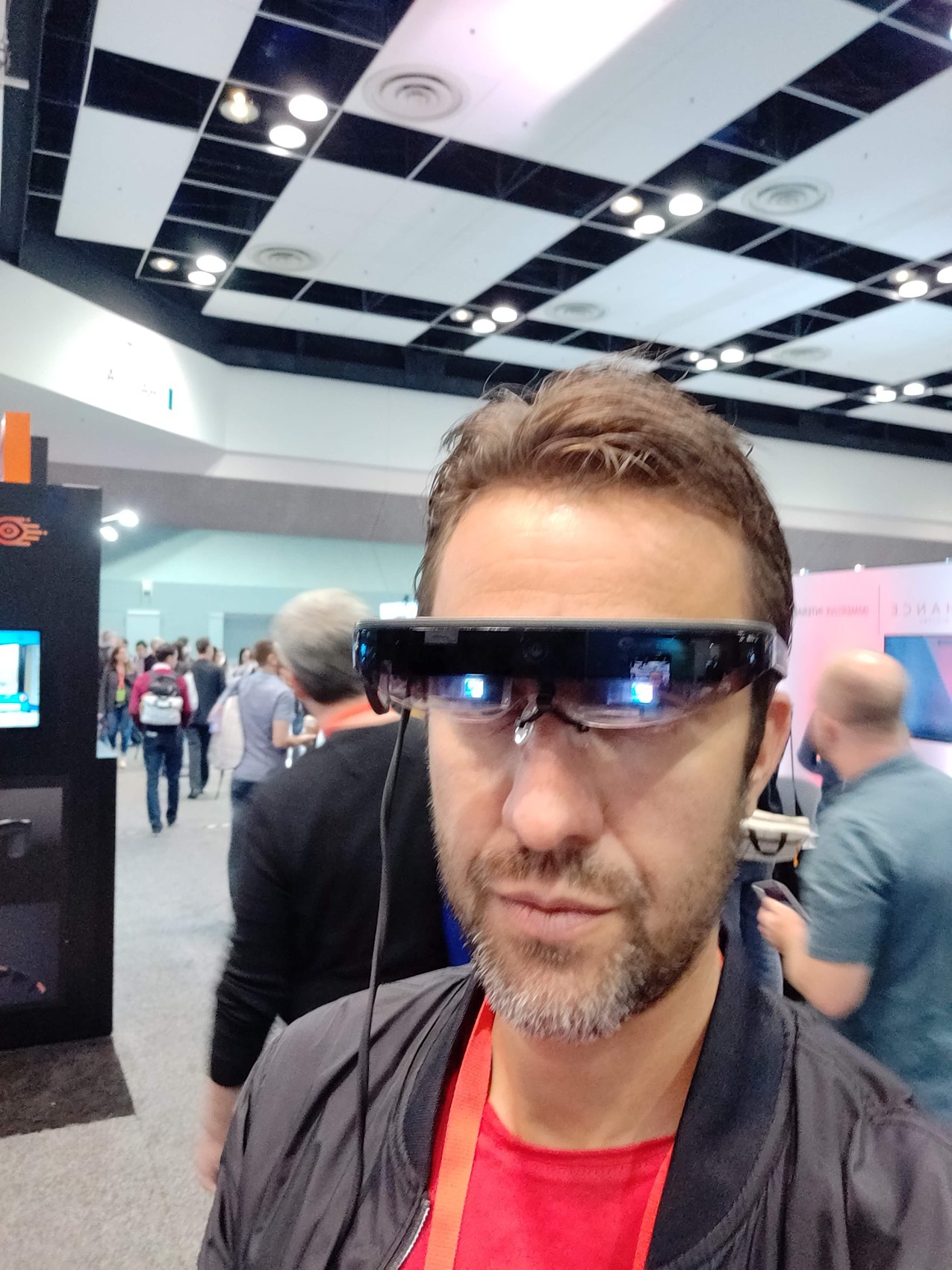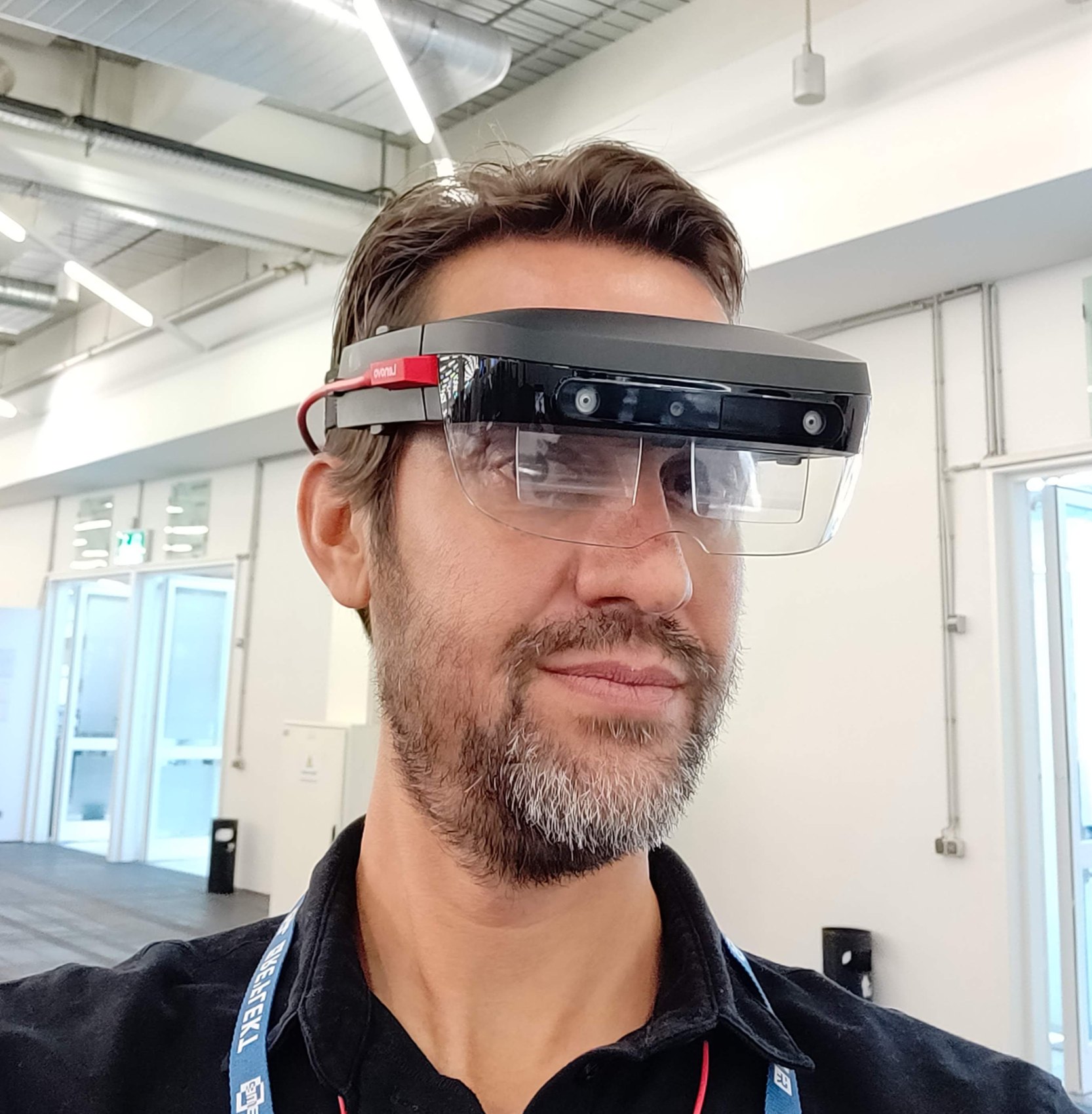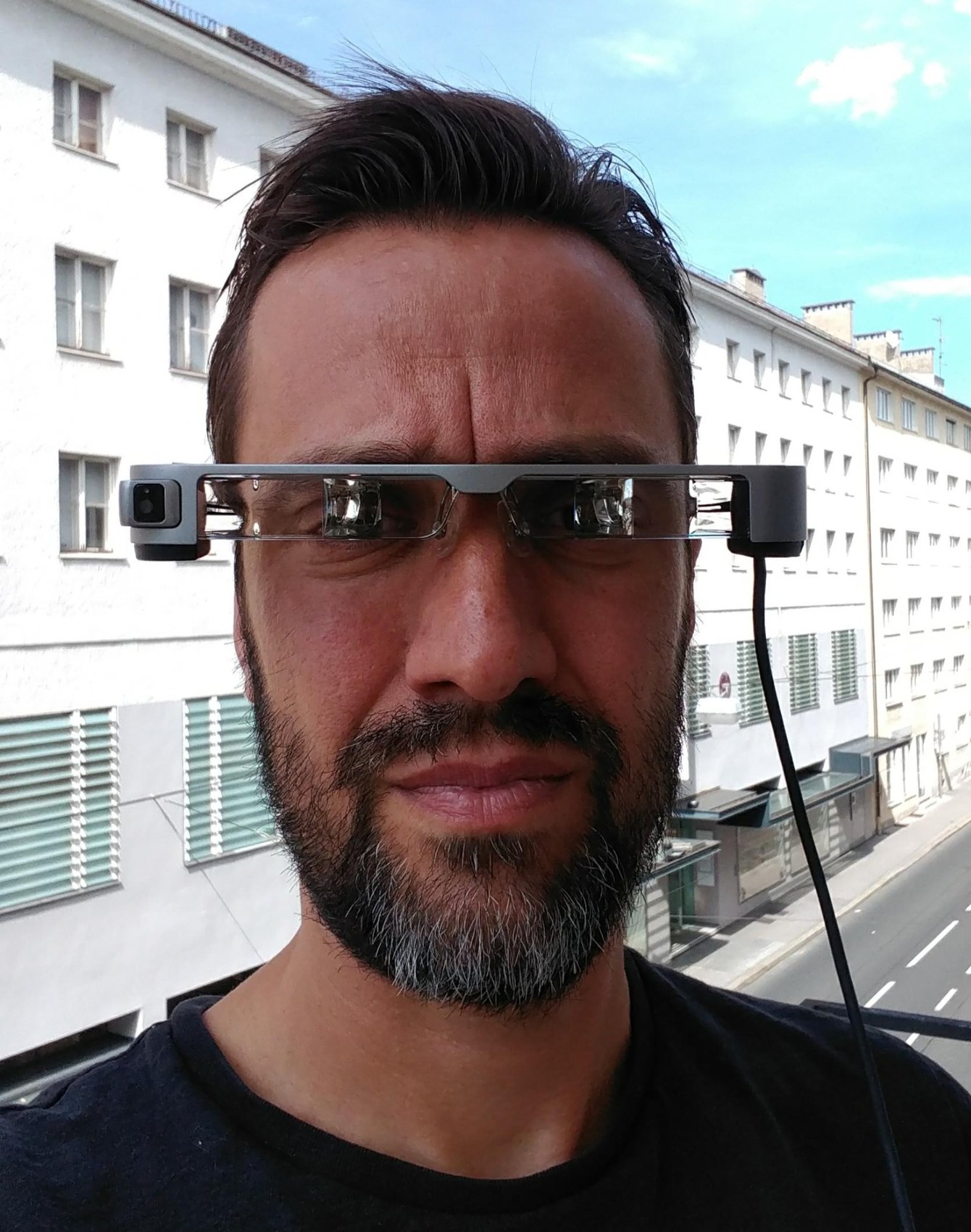

The number of attempts by companies both large and small to develop and bring to market consumer grade augmented / mixed reality glasses is as high as the number of times they have failed to fulfil on the promise of replacing our smartphones. Given the fact that we are living in the age of knowledge, artificial intelligence, autonomous driving and reusable space rockets, it can’t be that difficult, right? Why has this nut not been cracked yet? Because this problem is hard, it’s very hard.
Building AR glasses for you and me to buy requires the maturity, if not the perfection of a multitude of interrelated problem areas: miniature optics and display technologies with so-called “human eye” resolutions and large fields of view, natural depth perception through light fields, computer vision algorithms to recognise and track our environment, objects and people, processing power, battery life, weight and ergonomics, ability to mass produce, a 5G enabled “AR cloud” providing relevant and contextual content without latency everywhere we go – and all of this in a fashionable form factor and at a reasonable price. So the reason why we are not wearing AR glasses yet is not because we do not want to get our world augmented, but because the product we are craving simply does not exist yet.
‘The history of AR glasses’ exhibition at AWE 2019 in Santa Clara, CA
We know that some of the most valuable companies in the world today are investing billions into solving this holy grail. Especially Apple and Facebook have been very open about their interest and commitments to augmented and mixed reality head mounted displays (HMDs), so it is a matter of time until we get there. Samsung actually received approval for a patent pertaining to augmented reality contact lenses last year. While California based Mojo Vision revealed their take on augmented reality vision without AR glasses on your nose at CES last month, Samsung showed off its latest prototype of AR glasses indicating that Samsung is unlikely to leapfrog the competition. However, it is more than clear that the South Korean conglomerate is not sitting still while Chinese startups like nreal and MAD GAZE are stirring up the consumer AR glasses market now and while Apple is preparing its rumoured launch of AR glasses in 2023.
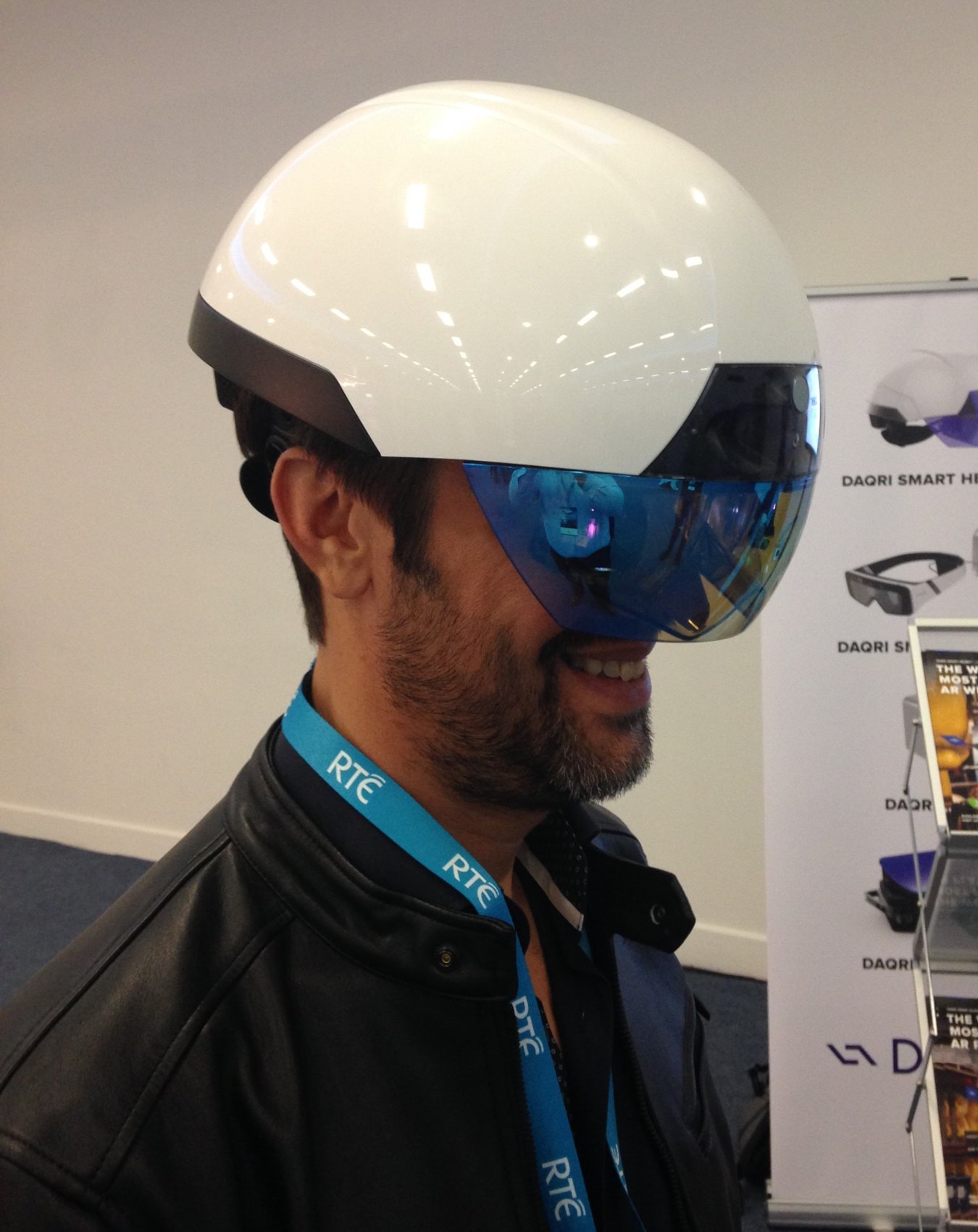
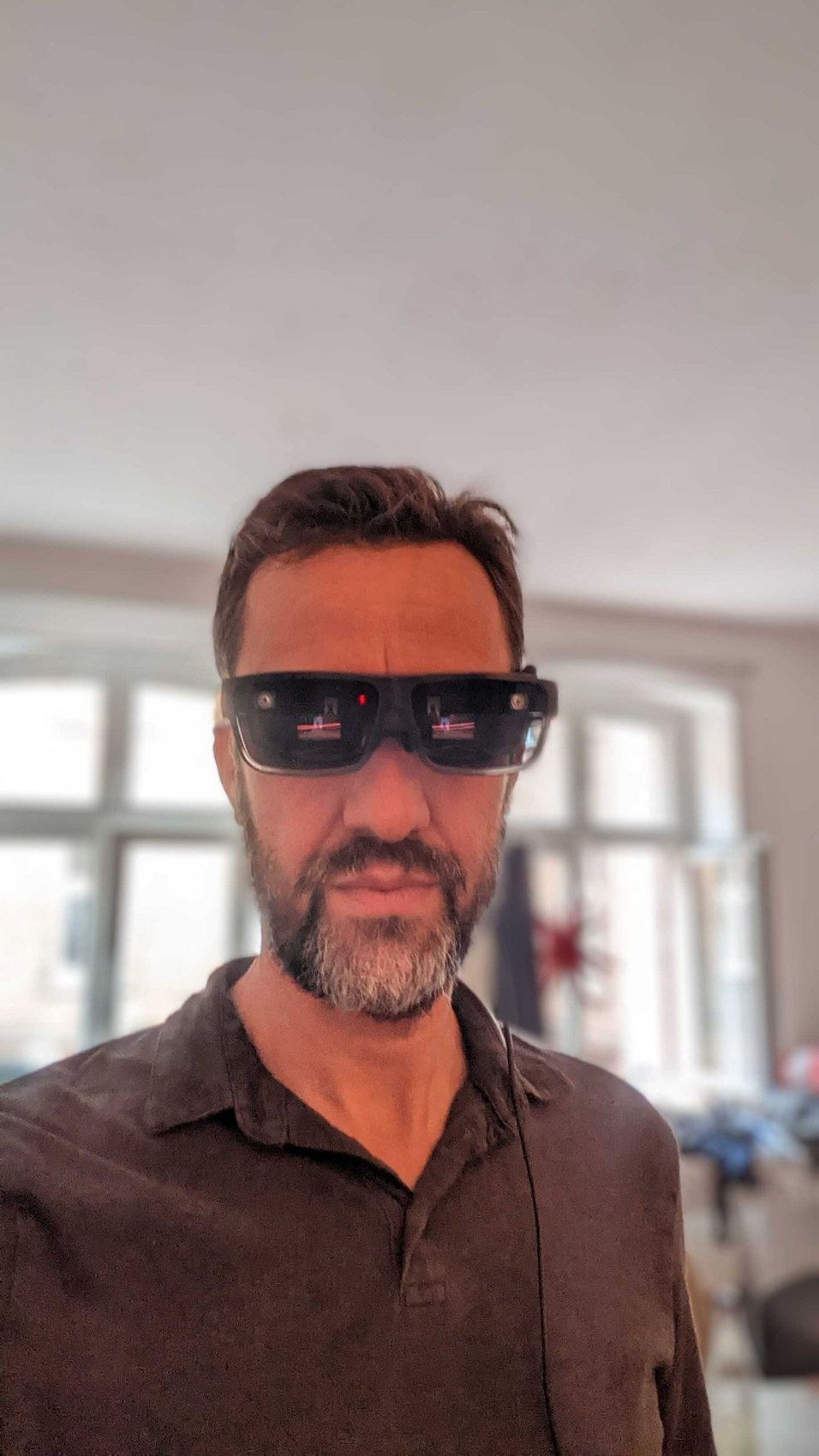
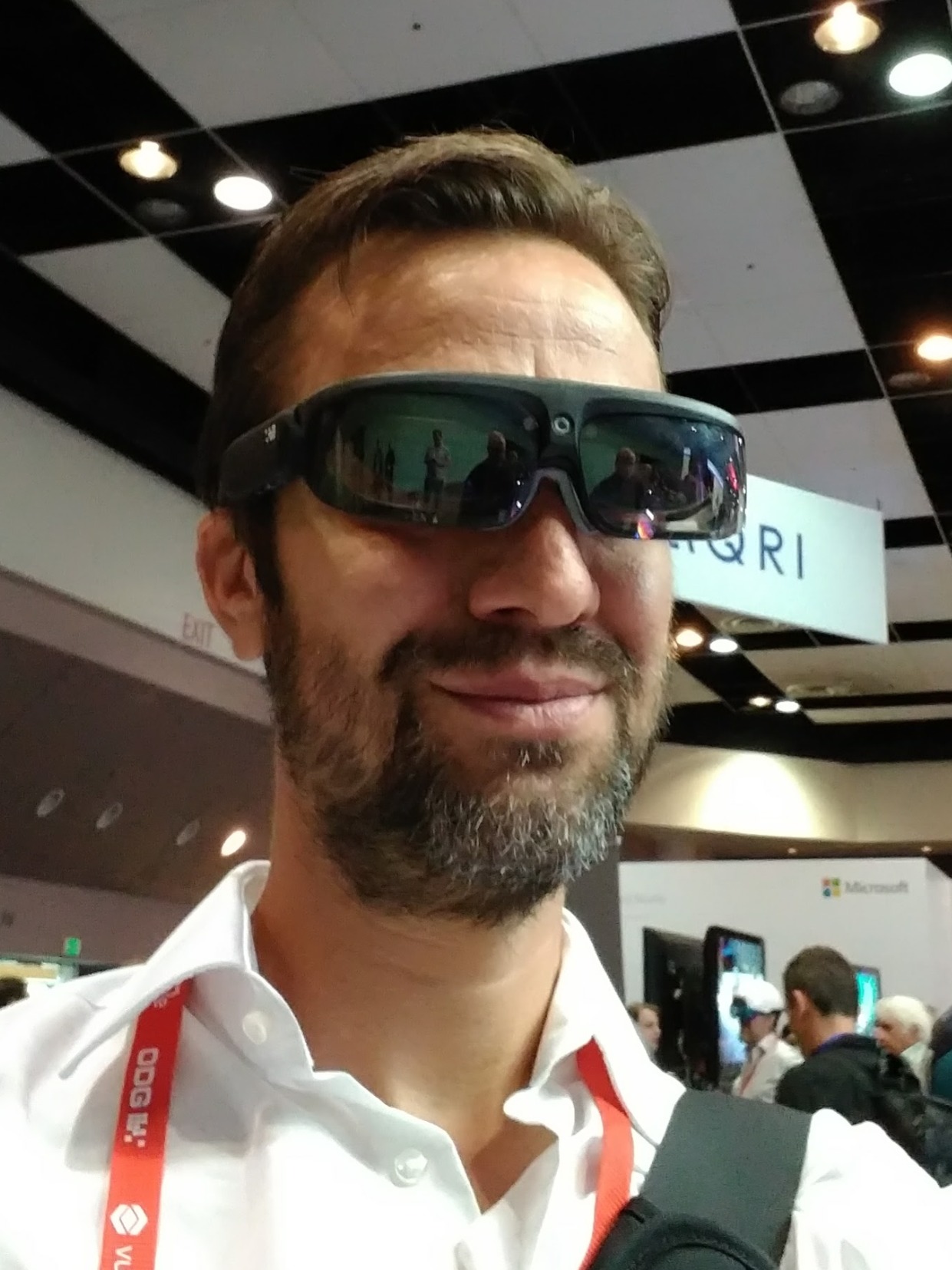
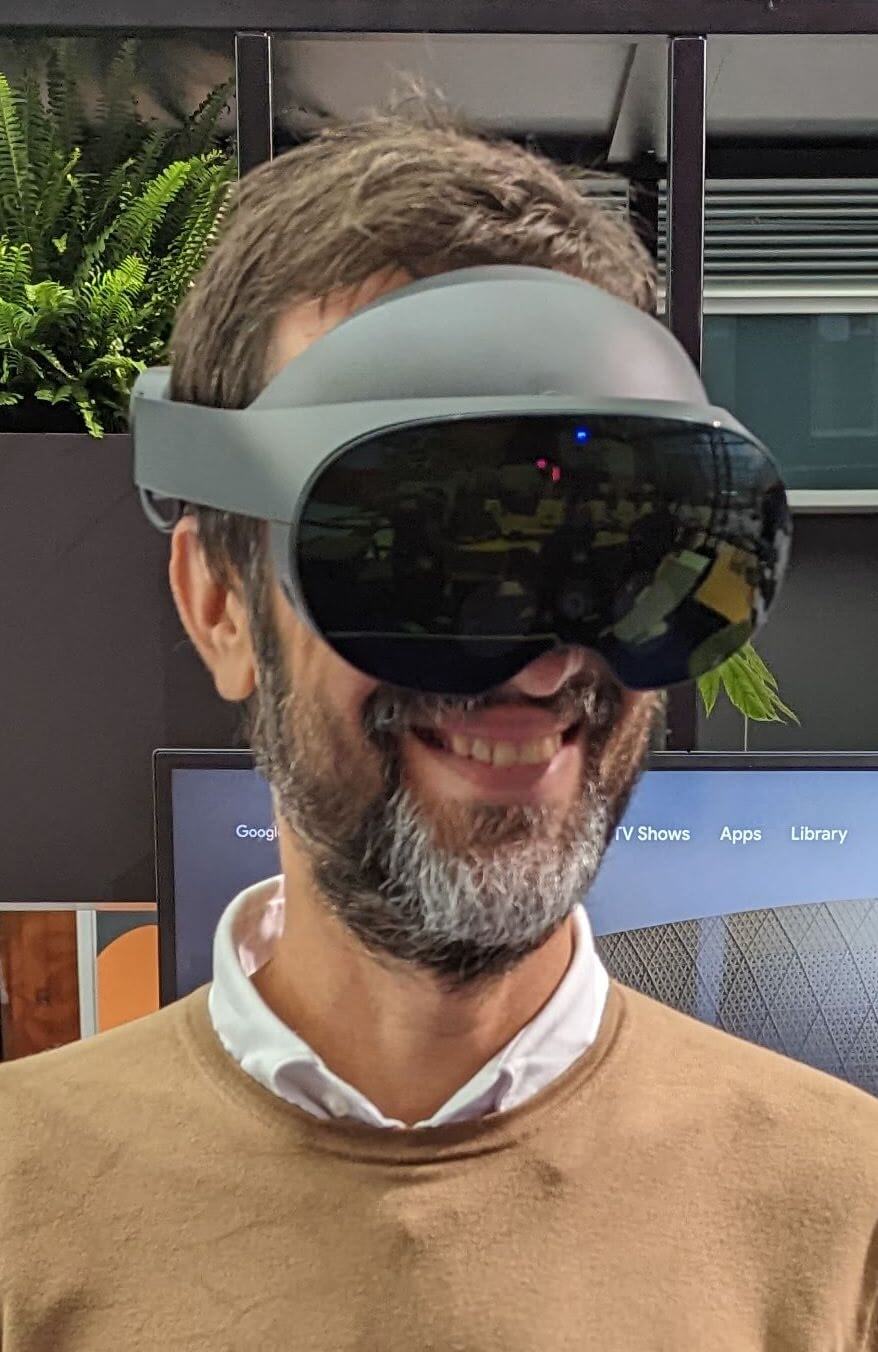
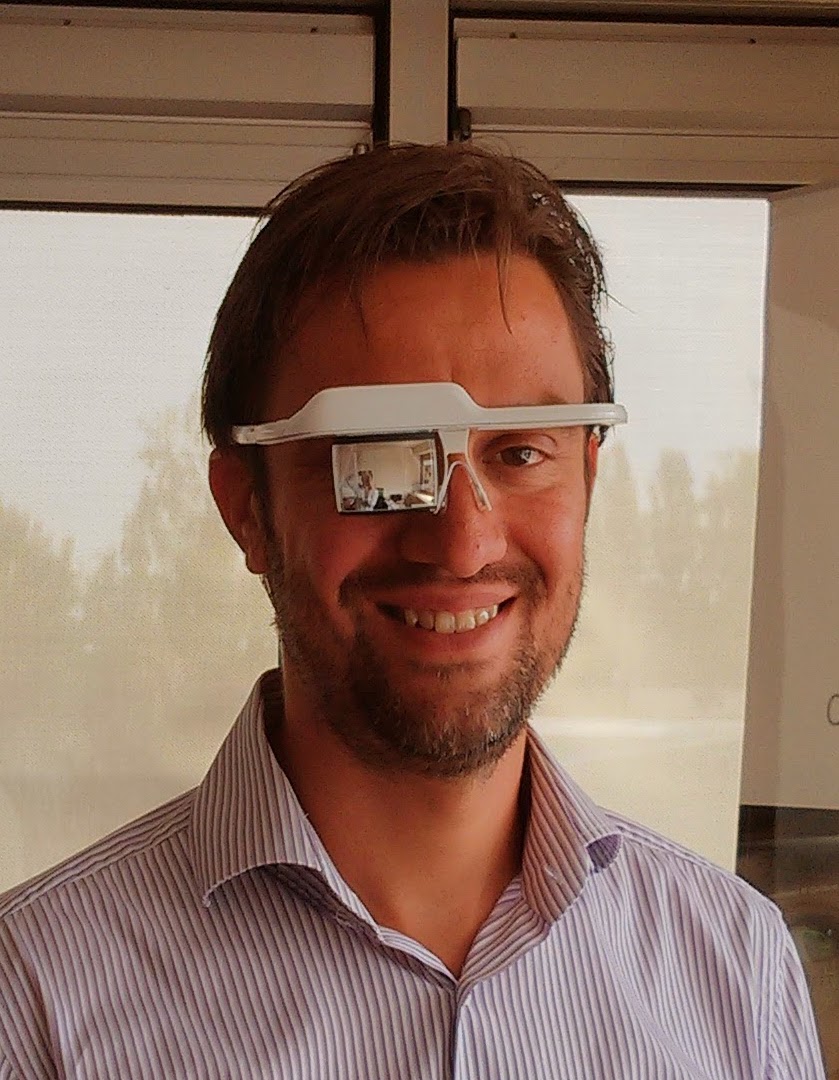
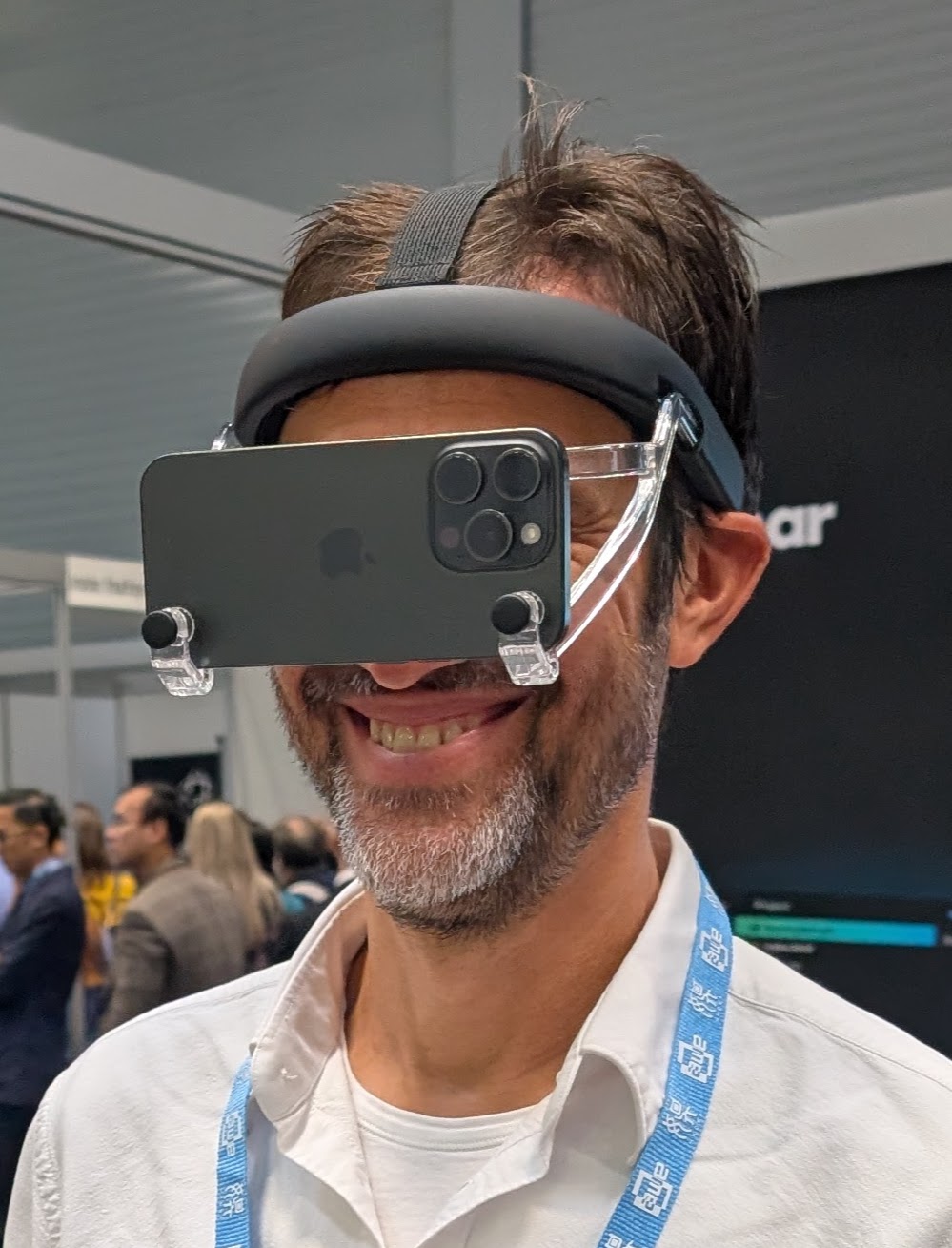
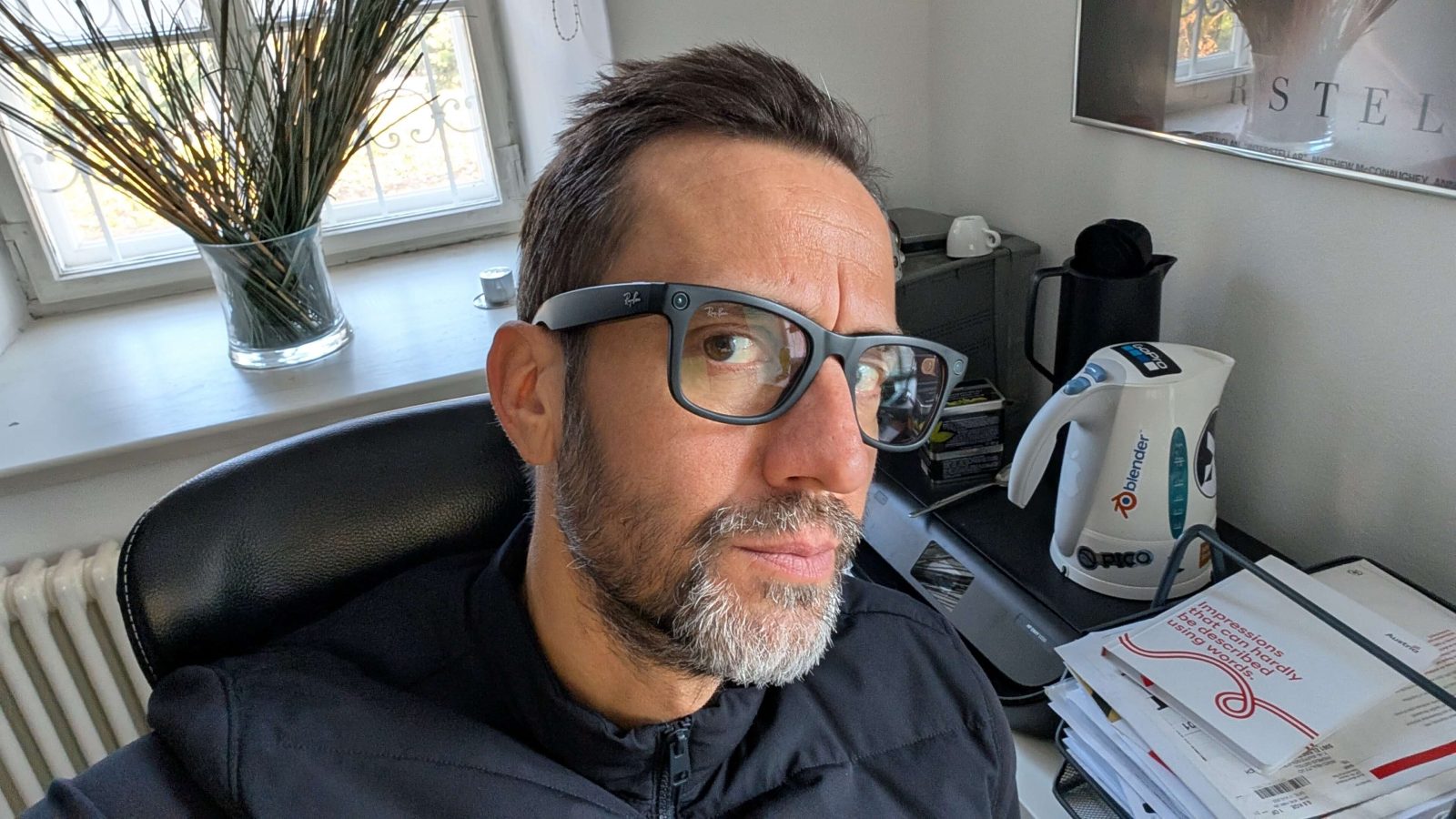
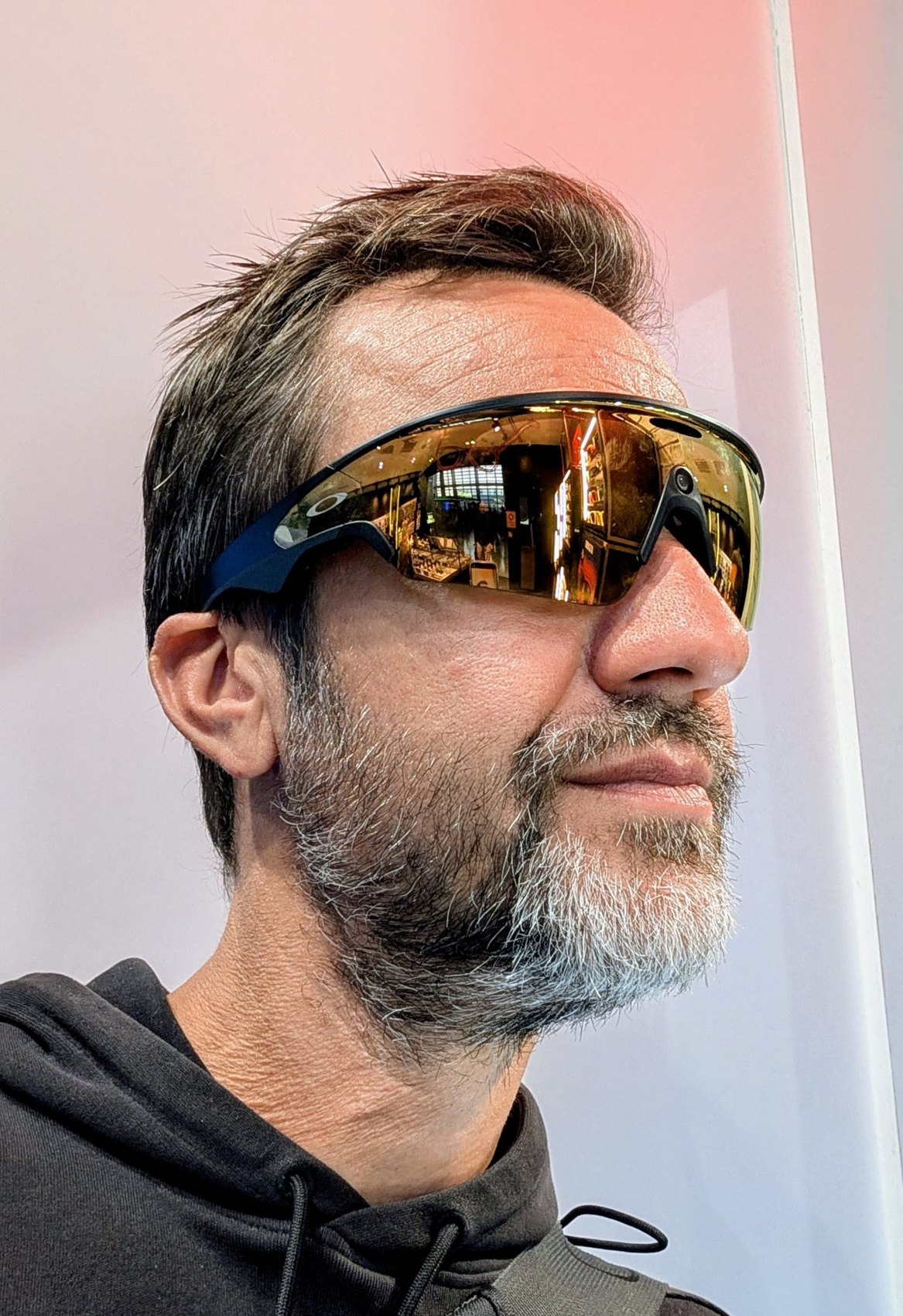
Let me hold my breath for a moment and stop the speculative talk. Instead, let’s recap on some of the devices that the industry has produced thus far, many of which are being used in enterprise environments to solve real business problems today.