
Google & Samsung’s AI Glasses arrive
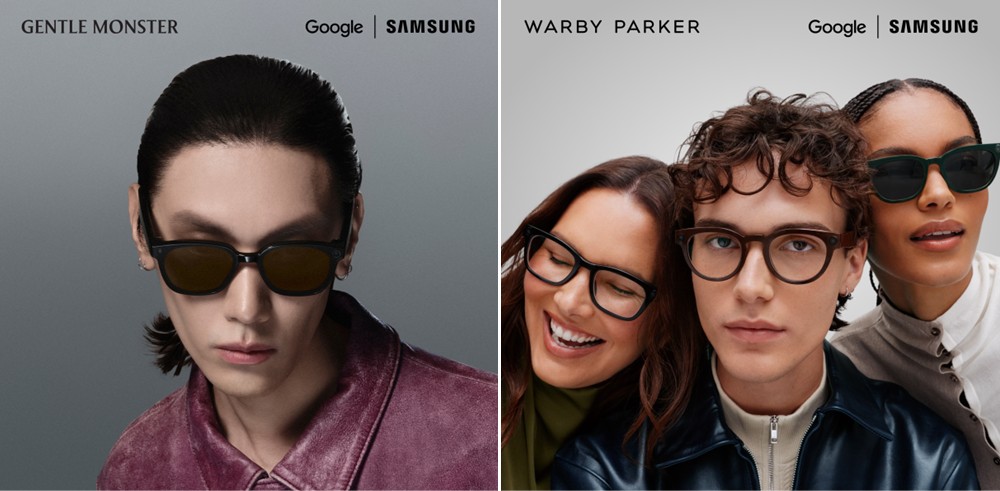
For three years, AI glasses meant Meta. That is changing. On November 12, Google, Samsung and Qualcomm opened pre-orders for their first smart glasses, designed by Warby Parker and Gentle Monster. Their message is clear: we are not Meta.
What launched
The glasses were first shown at Google I/O in May and in more detail at Galaxy Unpacked in July. Pre-orders opened on November 12, and the glasses ship on December 10, 2026. Samsung builds the hardware, Google supplies Android XR and Gemini, and Qualcomm provides the Snapdragon AR1 Gen 1 chip.
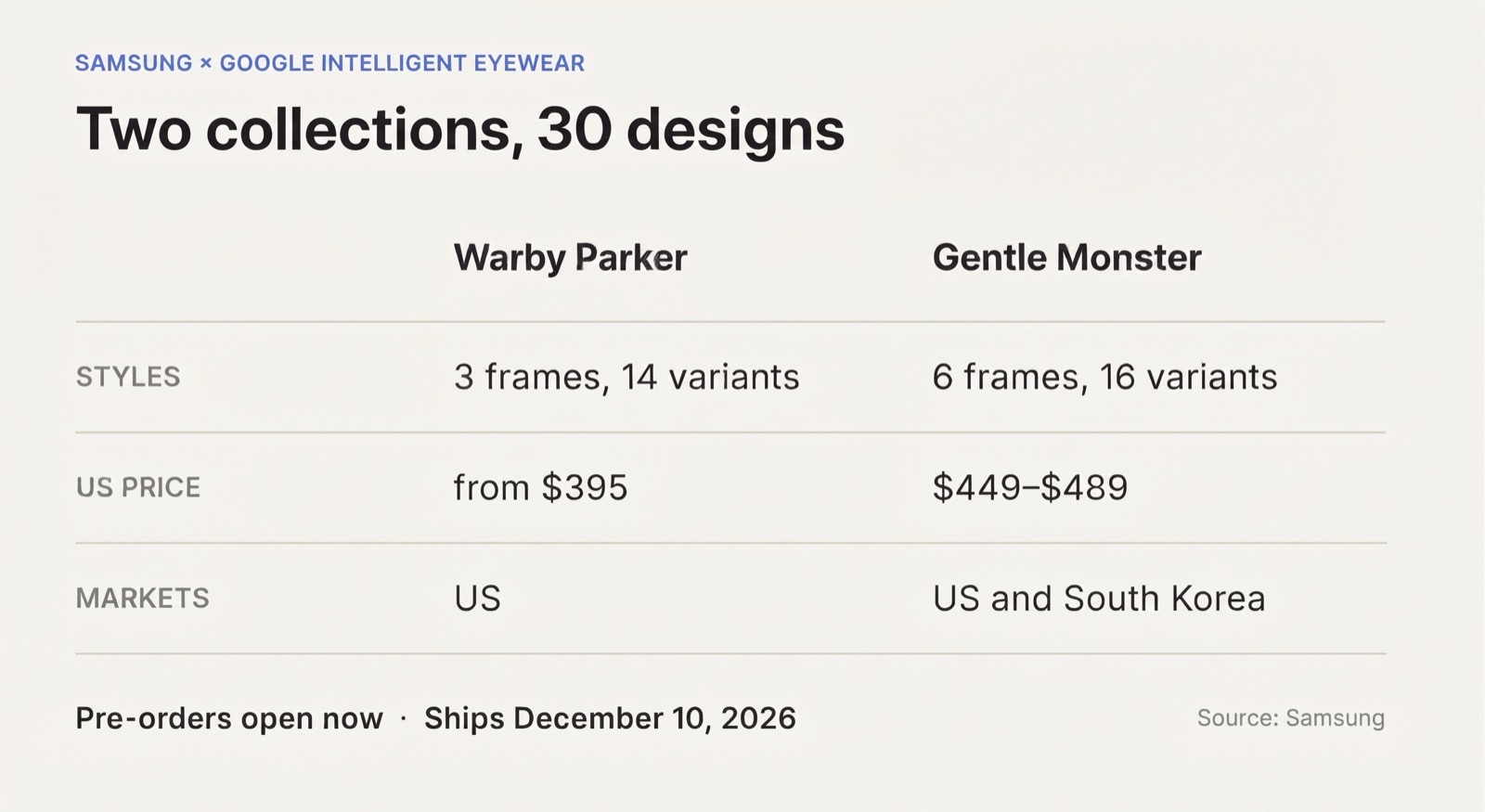
The glasses have no display. They combine a 12MP camera with microphones and speakers, and Gemini answers questions about what you see. They run up to 9 hours on a charge and work with recent Galaxy phones, Pixel 7 or newer, and iPhone 13 or newer. Europe will have to wait: reports point to 2027.
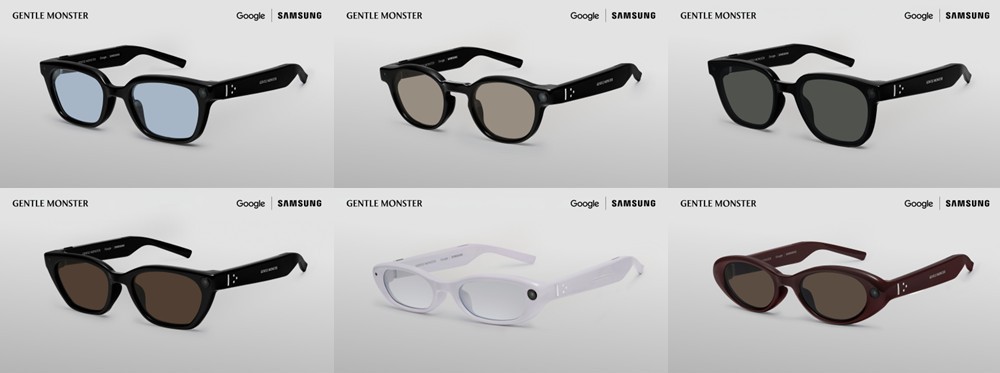
Gentle Monster frames
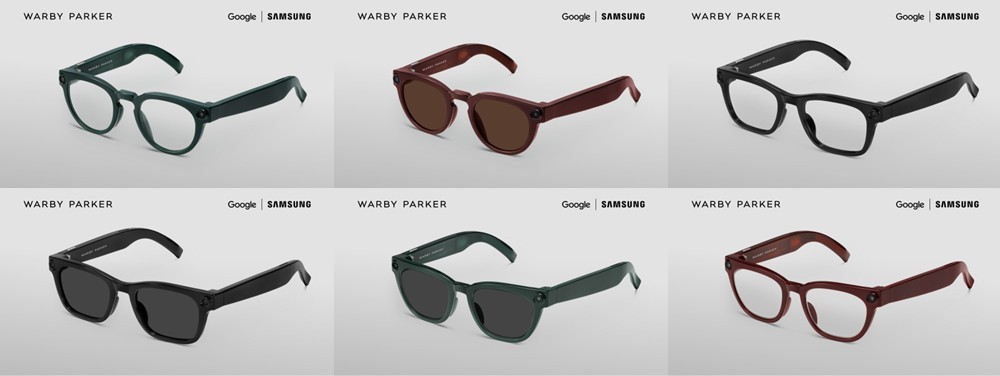
Warby Parker frames
Meta’s privacy problem
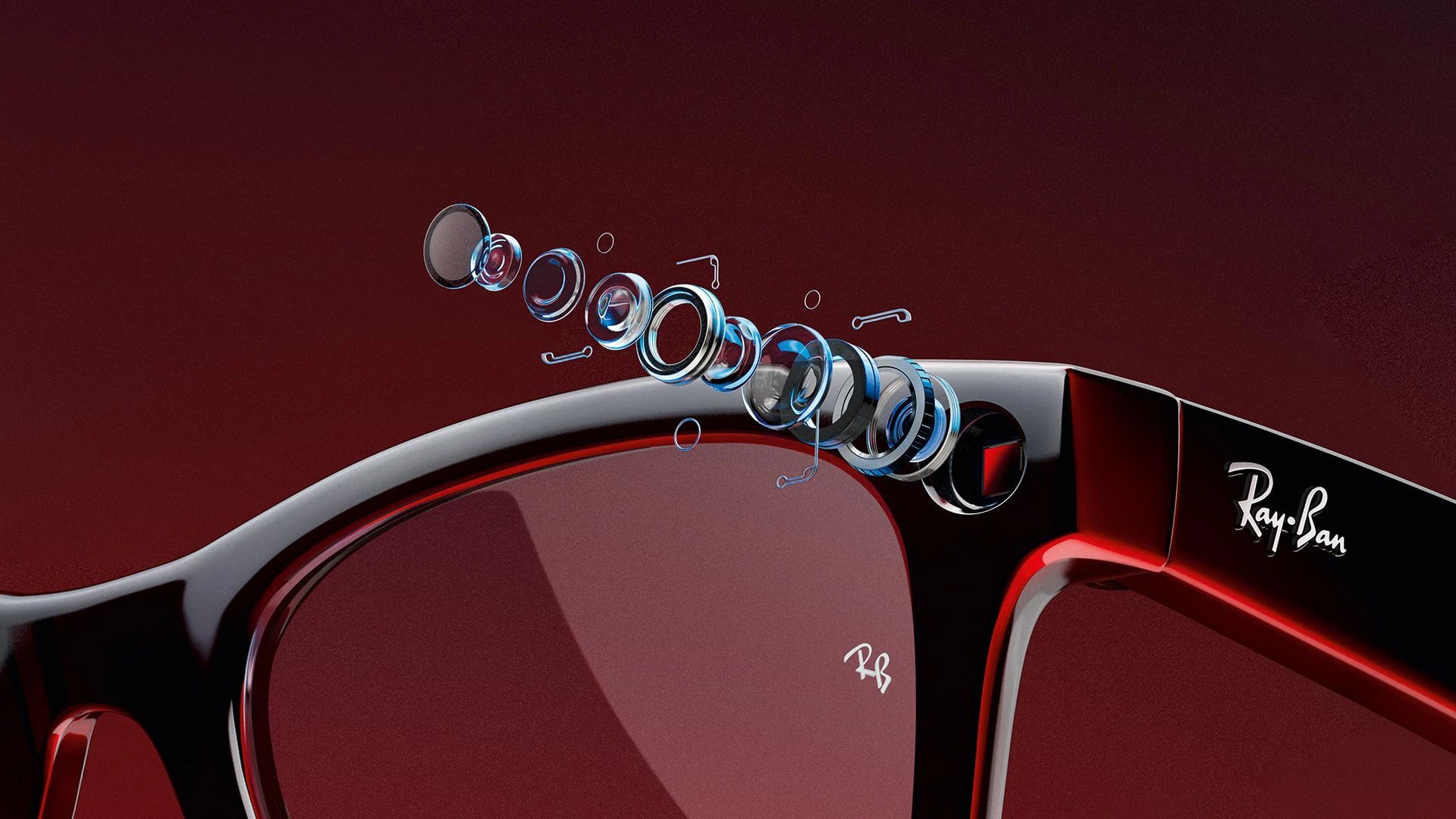
Meta built this category with Ray-Ban Meta, Oakley Meta and, since June, its own-brand $299 Meta Glasses. In 2026, those glasses also picked up a nickname: “pervert glasses”. Clips of strangers filmed without their knowledge went viral. Reports that contractors reviewed footage led to US class actions. UK venues banned the glasses, and in Germany, HateAid filed a criminal complaint. The lesson for everyone: the hardest problem for AI glasses is how the people around the wearer feel about them.
Google and Samsung’s answer
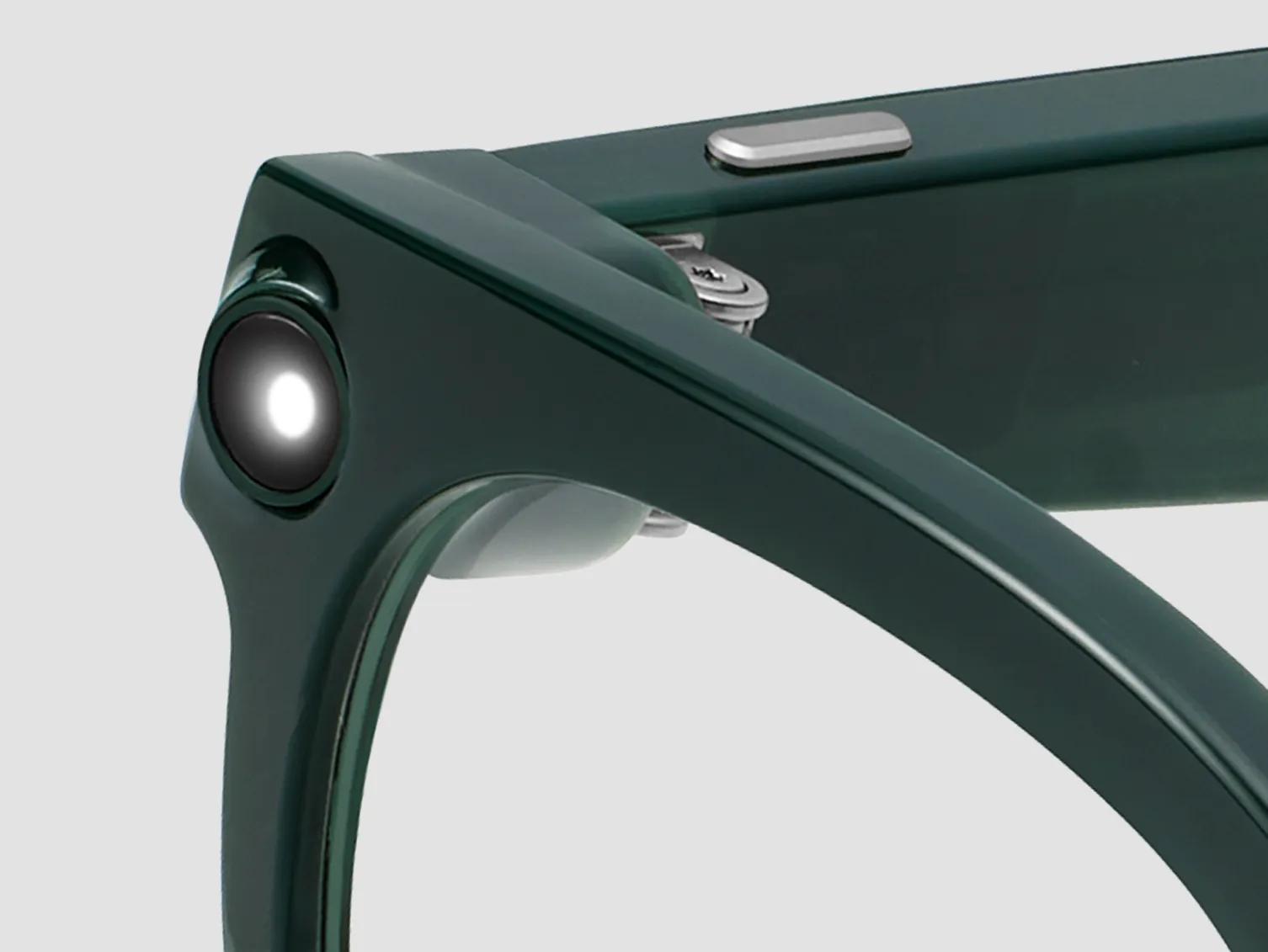
Google’s privacy principles for the glasses read like a direct response:
- A front LED shows when the camera is on. If the LED is covered, the camera stops working.
- The camera turns off when the glasses come off.
- Faces are blurred before an image reaches Google’s servers. Gemini doesn’t keep those images or use them for training or ads.
- The glasses require an 18+ account and a signed responsible-use agreement. Third-party apps can’t use the camera for facial recognition or livestreaming.
It’s the most complete privacy package any AI glasses have launched with. But an LED only helps if people know what it means, and real-world use starts on December 10.
Meanwhile at Meta: VR in a glasses frame
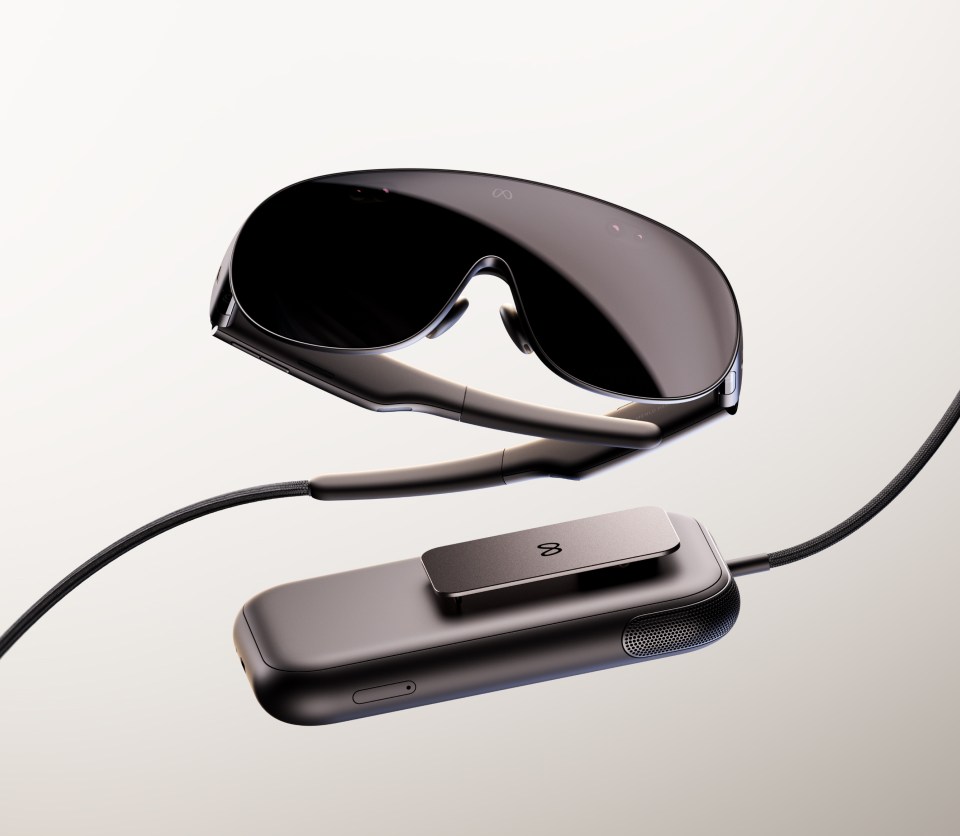
Meta’s answer is not only about AI. At Connect in September, Meta unveiled the Meta VR Glasses, a full VR device in a sunglasses-like frame. They weigh 100 grams, five times lighter than Quest 3. The trick is a split design: the glasses hold the micro-OLED displays and sensors, and a pocket-sized puck with Qualcomm’s new Snapdragon Reality Elite chip handles compute and battery. They are built for 3D movies, immersive live sports, gaming and work, and they go on sale in spring 2027 for $1,299. Meta also launched the camera-free Ray-Ban Meta Audio glasses, a quiet admission that not everyone wants a camera on their face.
Next up: Apple, 2027
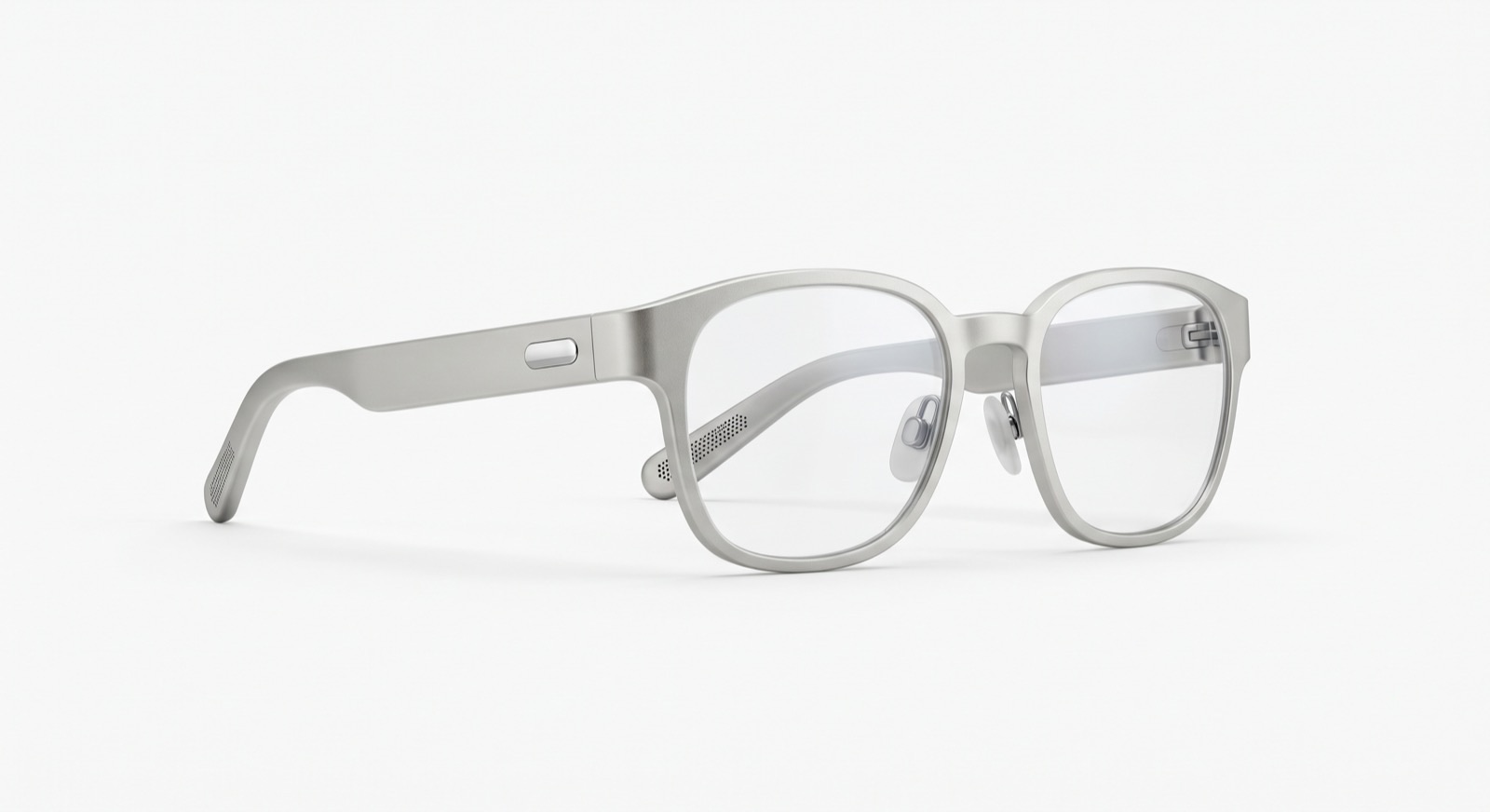
Bloomberg’s Mark Gurman reports that Apple will unveil its glasses, code-named N50, at WWDC in June 2027 and ship them before the end of that year. His latest report (free summary) describes frames slightly thinner than Meta’s second-generation Ray-Bans. They have several cameras and an indicator light but no display, and Siri controls your iPhone apps. Earlier, he reported that privacy will be a central theme. He also warns that the software is running late.
My take
In 2027, three platforms will compete for your face: Meta, Google with Samsung, and Apple. Trust will decide the race, not camera specs. Do you agree?
Meet me at United XR in Brussels
On December 7–9, I’ll be at United XR in Brussels, co-hosting the Enterprise VIP program. I’ll be doing two things there:

If you’ll be in Brussels and want to meet, get in touch or ping me on LinkedIn.
Take good care, Andy
First published in my newsletter, The Embodied AI & Mixed Reality Report. Subscribe on Substack to get new posts by email.